Selling cores · Yards · Shops · 3 min read
How to pack and ship a turbo core so it arrives worth full value
Drain it, cap it, do not take it apart. What keeps a core at full value and what quietly knocks it down.
Understanding why cores matter
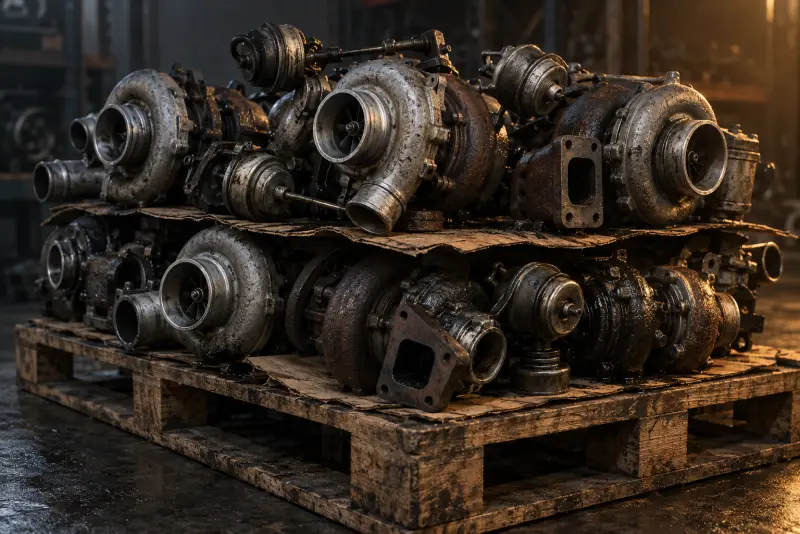
When you send a turbocharger back for remanufacturing, you are participating in a standard industry practice designed to keep costs down and parts available. The shop wants your old unit, the core, because its housings and center section are the starting point for the next remanufactured turbo. Bearings, seals and worn parts are replaced; the castings are what carry the value. Returning a complete core is what makes the exchange price possible.
A good shop will offer a credit or refund for your core based on its condition. This value is determined by how well the unit has been preserved during shipping. If the core arrives in poor shape, the shop cannot use it to build a replacement, and the value drops significantly or disappears entirely.
What keeps a turbo core valuable
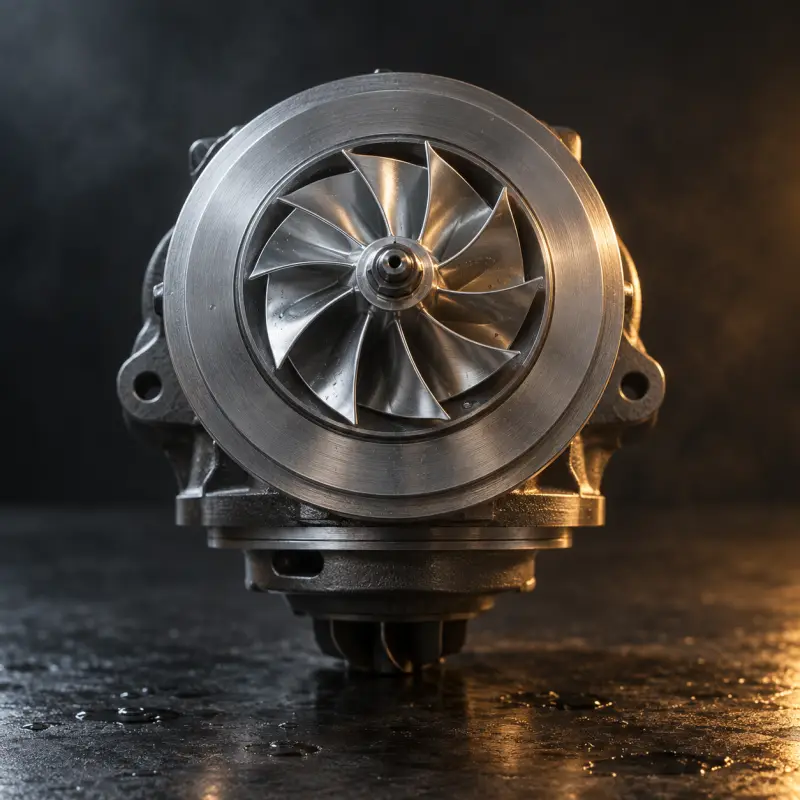
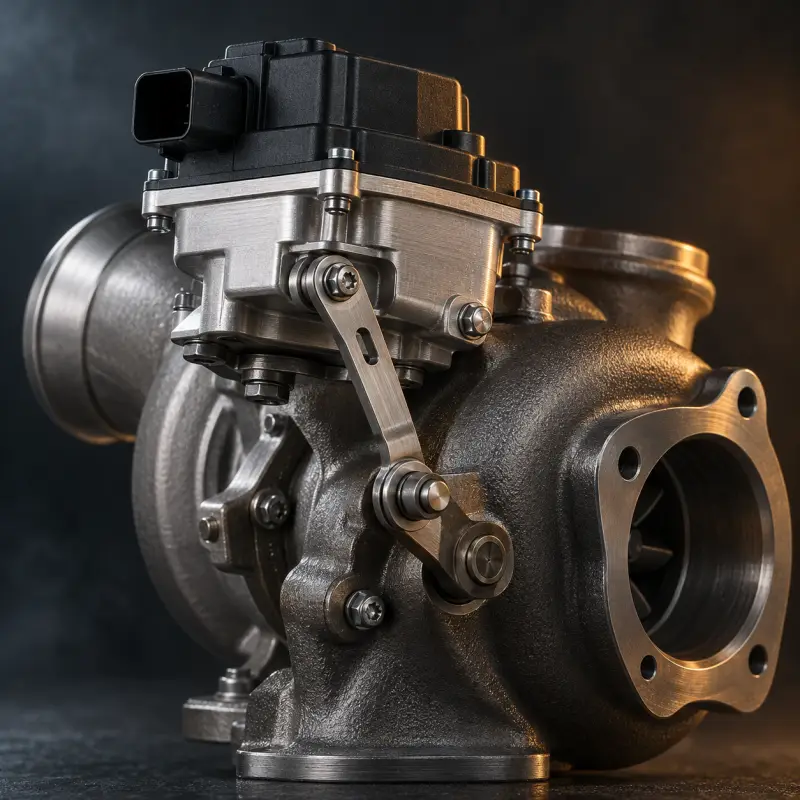
To ensure your core retains full value, it must meet specific criteria that apply across the industry for Cummins, Power Stroke, Duramax, PACCAR, and John Deere engines. The most important factor is completeness. The unit should include both the hot side and cold side housings, the center section containing the shaft, and the actuator if your turbo had one.
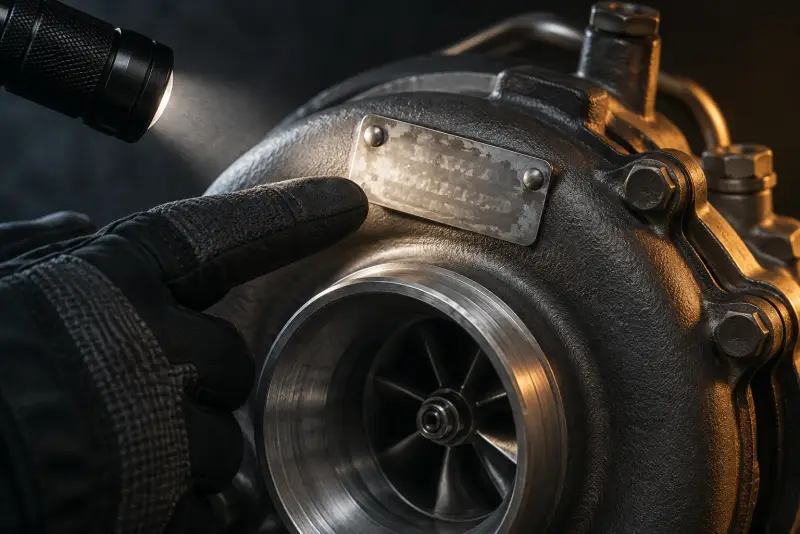
The physical condition of the metal matters just as much as the parts list. The shaft must still turn freely by hand without grinding or sticking. The housings should be free of cracks, severe dents, or previous welding attempts. Missing hardware can reduce the value. Finally, the identification tag must remain legible so the shop can verify the model and specifications.
Signs that lower core value
Several common issues during transport can destroy the value of a turbo core before it even reaches the facility. If the housings are cracked or broken, the core is typically considered scrap rather than a rebuildable unit. An actuator that has been removed or lost will result in a reduced credit, as this part is expensive to source separately.
Disassembling the unit at home is another major pitfall. A good shop expects a complete assembly; taking it apart yourself often leads to lost small components like clips or seals. Water or excessive oil inside the core can cause internal corrosion while sitting in transit, which ruins the center section. A unit that has been dropped can have a bent shaft or a cracked housing, which makes it scrap.
Preparing your unit for shipment
Before you pack your turbo, take a few minutes to prepare it properly. Start by draining any remaining oil from the feed and drain ports. This prevents leaks that could damage other items in the box or create a mess at the receiving dock. Once drained, plug or tape these open ports securely to keep dirt and moisture out during transit.
Do not attempt to take the turbo apart to clean it yourself. Instead, photograph the unit and the identification tag clearly before boxing. These photos serve as proof of condition should there be any questions later. Keep the tag visible so the shop can identify the engine family immediately upon arrival.
Packing and shipping safely
Packaging is critical for protecting the core during transit. Wrap the entire turbo in a plastic bag to contain any residual fluids, then place it in a strong cardboard box. Use ample cushioning material like bubble wrap or foam on all sides to ensure the unit cannot move inside the package. For heavier units, consider placing them on a small pallet or using a double-box method for extra protection.
Include your name and phone number inside the box so the receiving team can contact you if needed. If the shop provides a prepaid shipping label, use it as instructed. Keep the tracking number safe so you can monitor the shipment until it is marked delivered.
What happens after arrival
Once the package arrives at the facility, the core will undergo an inspection against the criteria mentioned above. The team will check for completeness, shaft rotation, and housing integrity. Based on this assessment, they will determine the final credit amount. If the core meets all requirements, you will receive the full value; if it does not, the shop will typically contact you to discuss the reduced payout or next steps.
Selling cores or sending one back? Text a photo of the tag, or call, and we send the label and the instructions.