Buying · Owner-operators · Fleets · 3 min read
Remanufactured vs. rebuilt vs. new: what the words actually mean
Four ways to put a turbo back on the engine, what each one really includes, and the questions that separate a real reman from a cleaned-up used unit.
When a diesel turbocharger fails, the terms shops use can feel like marketing fluff. You might see "remanufactured," "rebuilt," or "new" on a quote sheet, but these words describe very different levels of work. Understanding the actual process behind each label helps you decide which path fits your truck and your budget, and lets you compare two quotes that use the same word for different work.
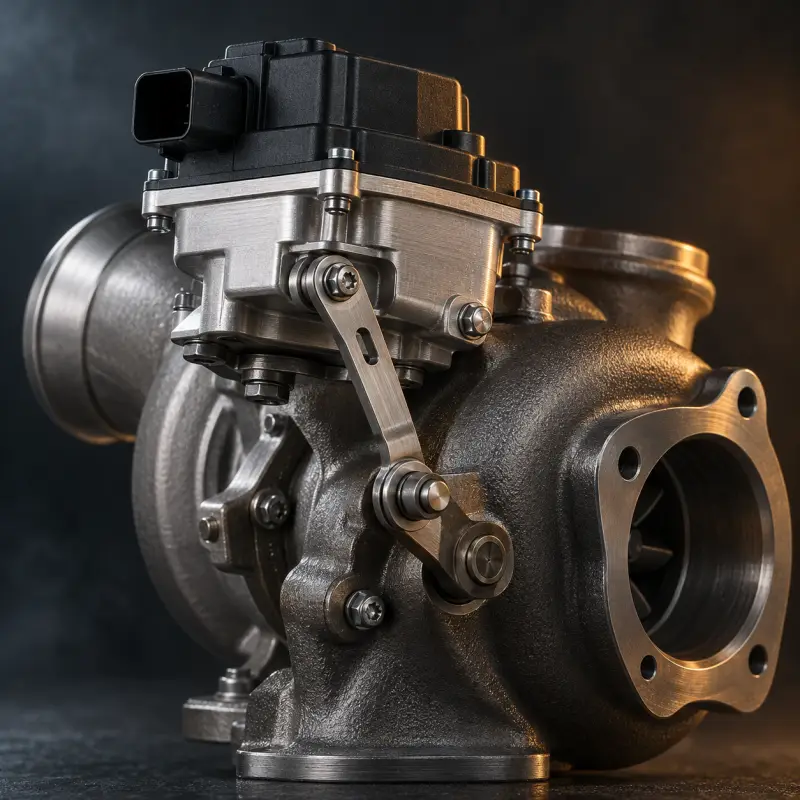
A new OEM unit comes straight from the manufacturer. It has never been installed on an engine or exposed to heat cycles. Every component is brand new, including the housing, shaft, wheels, bearings, seals, and the variable geometry mechanism. There is no hidden wear inside the unit. It also carries the highest upfront cost, and availability depends on dealer stock.
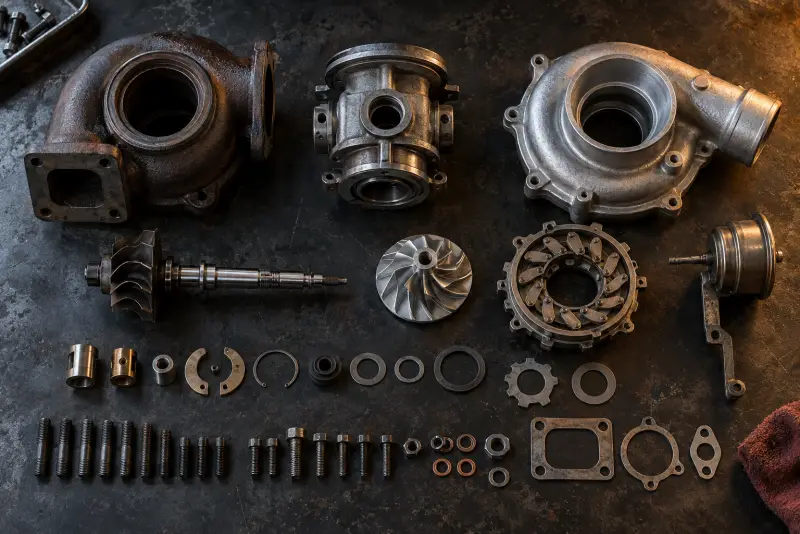
Remanufactured is the industry standard for most owner-operators who want reliability without paying new prices. A good shop will perform a full teardown of the turbocharger down to the bare metal. They clean every component to bare metal and inspect the housings for cracks, warping and corrosion. The rotating assembly undergoes dynamic balancing on precision equipment to ensure smooth operation at high RPMs.
During this process, all wear parts are replaced. This includes new bearings, oil seals, thrust washers, and any worn compressor or turbine wheels. If your truck has a variable geometry turbo, the mechanism is freed from carbon deposits, and the actuator is calibrated to the vane stops of that unit. The finished turbo is tested before it leaves the shop.
Rebuilt usually implies a much more limited scope of work. In this scenario, the shop might only replace the specific parts that failed, such as a seal or a housing, while leaving bearings and shaft in place if they look acceptable. These units are rarely dynamically balanced, which can lead to vibration issues later. Because the internal components have already seen significant wear, the expected service life is often shorter than a remanufactured unit, and warranties tend to be more limited.
Used take-off units are turbos pulled from other trucks that were scrapped or repaired elsewhere. While these are the cheapest option initially, they carry substantial risk. You do not know how the previous owner maintained their vehicle, whether the turbo was damaged by a failed engine, or if the internal components are near the end of their life. A used unit might work for a few months before failing again, leaving you with another tow bill and downtime.
Choosing the right option depends on your situation. If the truck is down far from home and any working unit will do to get it back, a used or rebuilt unit may be the only practical choice, with the plan to do it properly afterwards. If you plan to keep your truck for several more years or run high-mileage fleets, a remanufactured unit offers the best balance of cost and longevity. For trucks still under factory warranty, check whether an OEM replacement is required to keep coverage.
Questions to ask any shop
Before you hand over a core or a card number, ask exactly what will be done. "Rebuilt" does not mean the same thing at every shop.
- What specific parts do you replace in every unit?
- Do you perform dynamic balancing on the rotating assembly?
- Is the variable geometry mechanism cleaned and actuator calibrated?
- What conditions would void the warranty coverage?
- How is the core charge refunded or credited?
- Will you send photos of the failed parts before starting work?
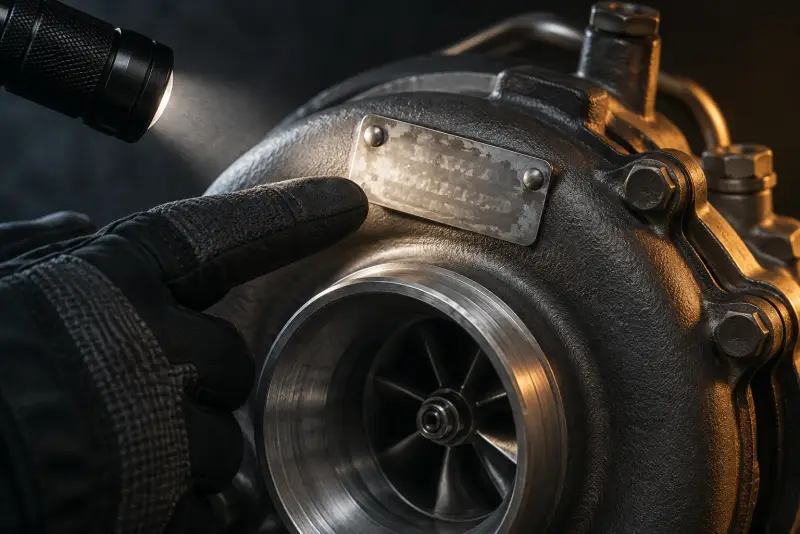
Text a photo of your turbo tag, or call, and ask us the same six questions.